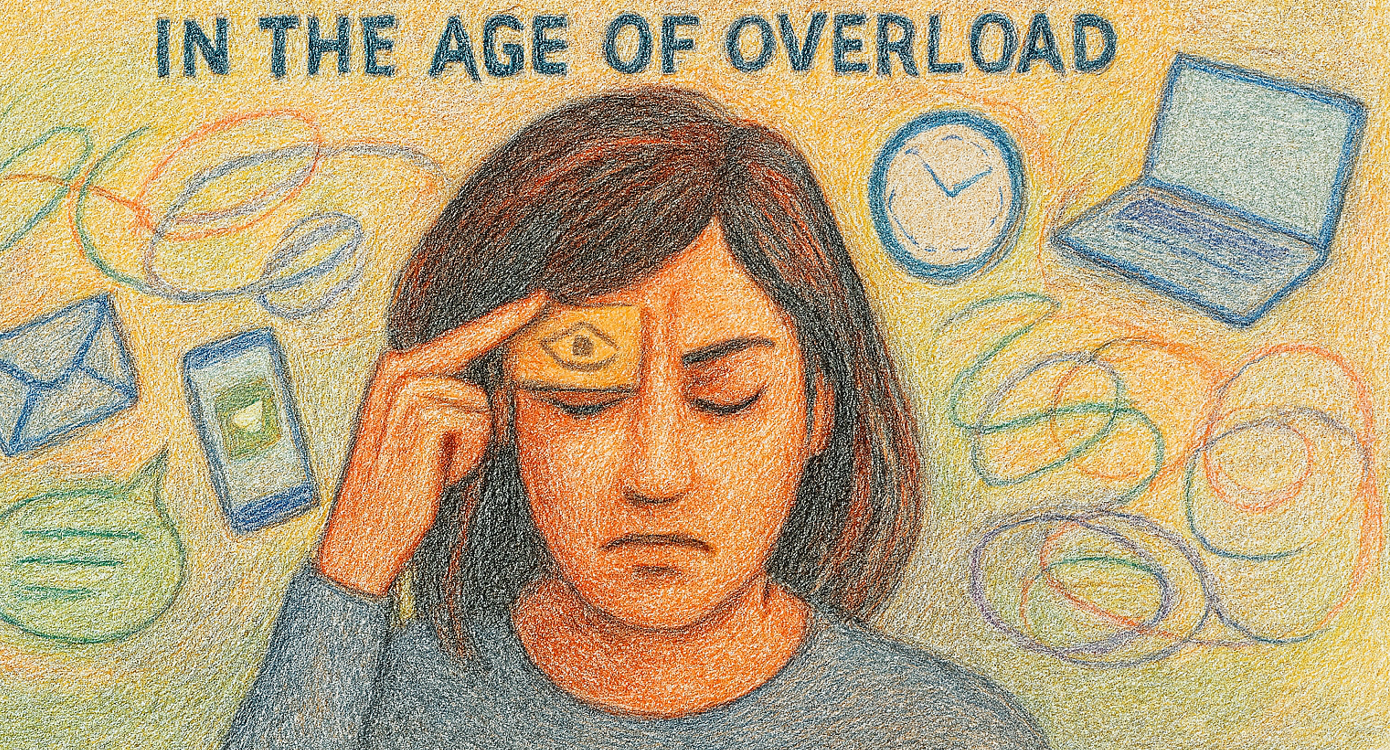
In today’s hyper-connected world, I once found myself drowning in information. News from everywhere — online articles, Facebook, endless short videos, reels, TikTok, even group chats on Zalo — kept pouring in nonstop. Most of that information added no real value to my life. Worse, it drained my time, affected my mood, and sometimes even chipped away at my confidence when I saw people showing off on social media.
With only 24 hours in a day, constantly consuming content left me with almost no space to reflect on what truly matters — my family, my relationships, my wellbeing, my career. I wasn’t giving myself the mental room to think deeply about how to nurture connections or how to care for my physical and mental health. I barely had time to think intentionally about my professional growth or the value I wanted to create for others.
I’ve gone through that chaotic phase, and I’m slowly reclaiming my balance. Here are a few things that helped me reset:
1. Cut Out the Noise
I removed every unnecessary source of information. I left irrelevant Zalo groups and kept only the ones that were meaningful. I stopped watching short videos because I noticed how they made me impatient and unfocused.
Even with Facebook — despite planning to use it less — I still had the habit of opening it during small waiting moments like when standing in an elevator. So I logged into a separate, “clean” Facebook account where I only follow content I truly care about: parenting insights, tech knowledge, and useful professional updates.
I also decluttered my digital space. I cleaned up my desktop, turned off distracting notifications, and removed unnecessary alerts on my phone. When I’m bombarded with too many notifications, I end up ignoring even the important ones. Minimizing noise helps me stay focused on what actually matters.
2. Meditate to Recenter
Meditation has helped me tremendously. Just 10 minutes a day — sitting quietly, listening to your breath, checking in with your body, and practicing small techniques to regulate your emotions — can make you feel calmer, more present, and happier.
I use the Daily Calm sessions, which offer a new 10-minute meditation each day. Even revisiting older sessions works perfectly fine. Each one introduces a small theme that strengthens your mental clarity and emotional balance. (Not an ad — I genuinely find it helpful!) Meditation has taught me to slow down, respond thoughtfully, and stay centered rather than rushing through life.
3. Wake Up Early for a Quiet Start
Another practice that has made a big difference for me is waking up early. Early mornings give me a peaceful window of time before life becomes busy and noisy. It’s a moment when I’m not pulled into work, responsibilities, deadlines, or the usual daily rush.
Waking up early gives me space to take care of myself, do things I enjoy, and ease into the day slowly and gently — without panic, without rushing, without constantly checking the clock. My mind has time to breathe, reflect, read, plan, or simply watch the sunrise.
And honestly, even just one hour — or even 30 quiet minutes — each morning can feel like a gift. It helps set the tone for the entire day, making me more focused, grounded, and productive.
4. Prioritize What Truly Matters
Relationships: Spend time thinking about the people who matter most — your parents, your partner, your children. Understanding them and caring for them isn’t about constant presence; it’s about thoughtful presence. Knowing what “enough” and “in the right way” means requires learning, reflection, and sometimes even reading or researching to grow your emotional intelligence.
Career: Work is a meaningful part of life. Investing time to learn, grow your expertise, and advance your career allows you to create value for yourself, your company, and your community.
5. Re-evaluate What You Already Have
Sometimes we get carried away and forget what’s already within reach. Big sales can tempt us into buying things we don’t need — even when our closets are already overflowing.
Once in a while, pause and take inventory:
- What do you own?
- What do you actually need?
- What can you let go of?
Decluttering your home declutters your mind. It creates mental space to breathe, think, and appreciate your life. Today we’re overwhelmed not only by information, but also by the sheer amount of stuff around us.
When You Remove the Unnecessary, Life Gets Lighter
As I filtered out what didn’t matter, I felt a noticeable shift — more clarity, more time, more mental space. I finally had the capacity to focus on the things that truly make my life meaningful.
Don’t let life sweep you along. Be the one who decides what comes into your mind, your space, and your heart.
When you choose with intention, everything you do gains direction and purpose.